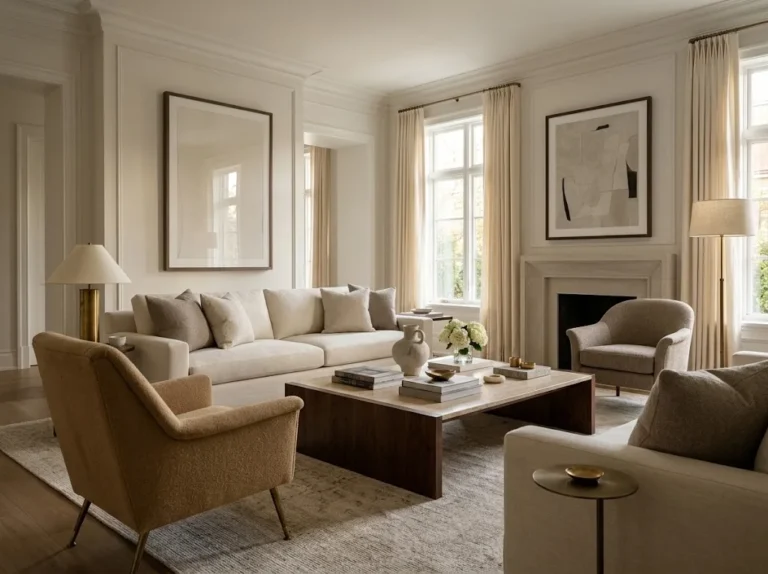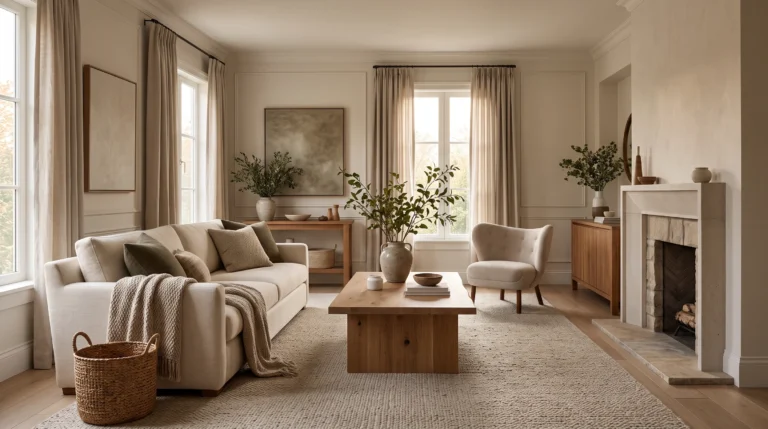
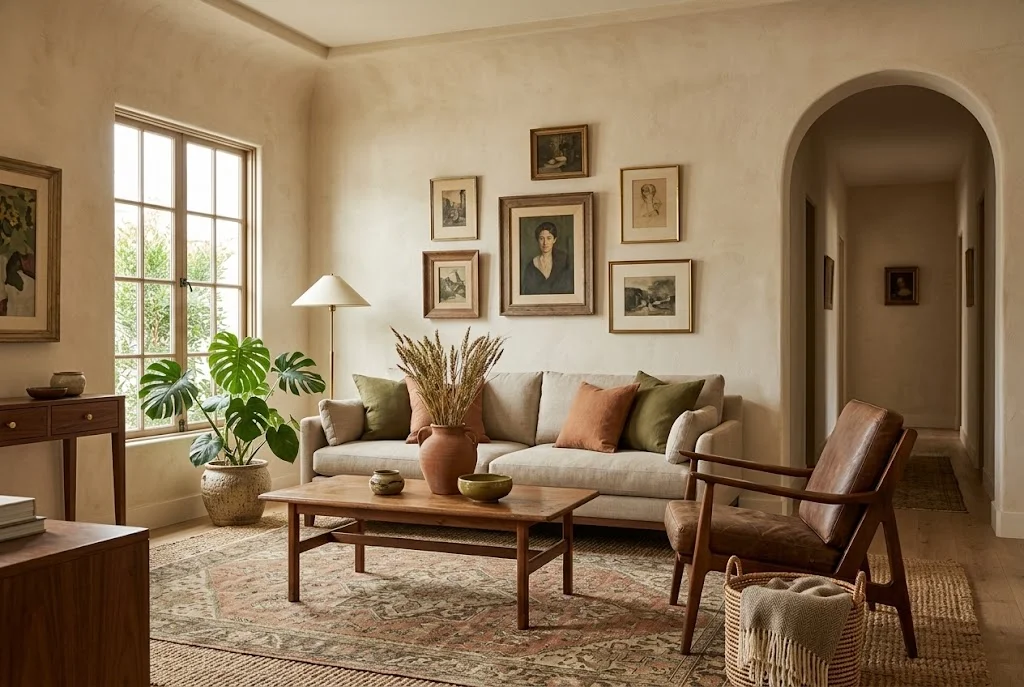
10 Character-Filled & Trending Living Room Styles
Some living rooms feel beautiful because they are polished. Others feel inviting because they are cozy. But the rooms that tend to stay in your memory have something else: character.
Distinctive arches, sculptural furniture, collected vintage pieces, natural textures, bold patterns, or references to a particular place and period can make a living room feel personal rather than copied from a showroom.
In this guide, we’re exploring 10 character-filled living room styles, from Mediterranean and Japandi to Art Deco, French Country, and earthy natural interiors. You don’t have to redesign your entire room around one aesthetic, either. Borrowing a few recognizable elements from a style can be enough to change its personality.
Affiliate Disclosure: This post contains affiliate links. As an Amazon Associate, we may earn from qualifying purchases at no additional cost to you.
In This Article
1. Mediterranean Living Room
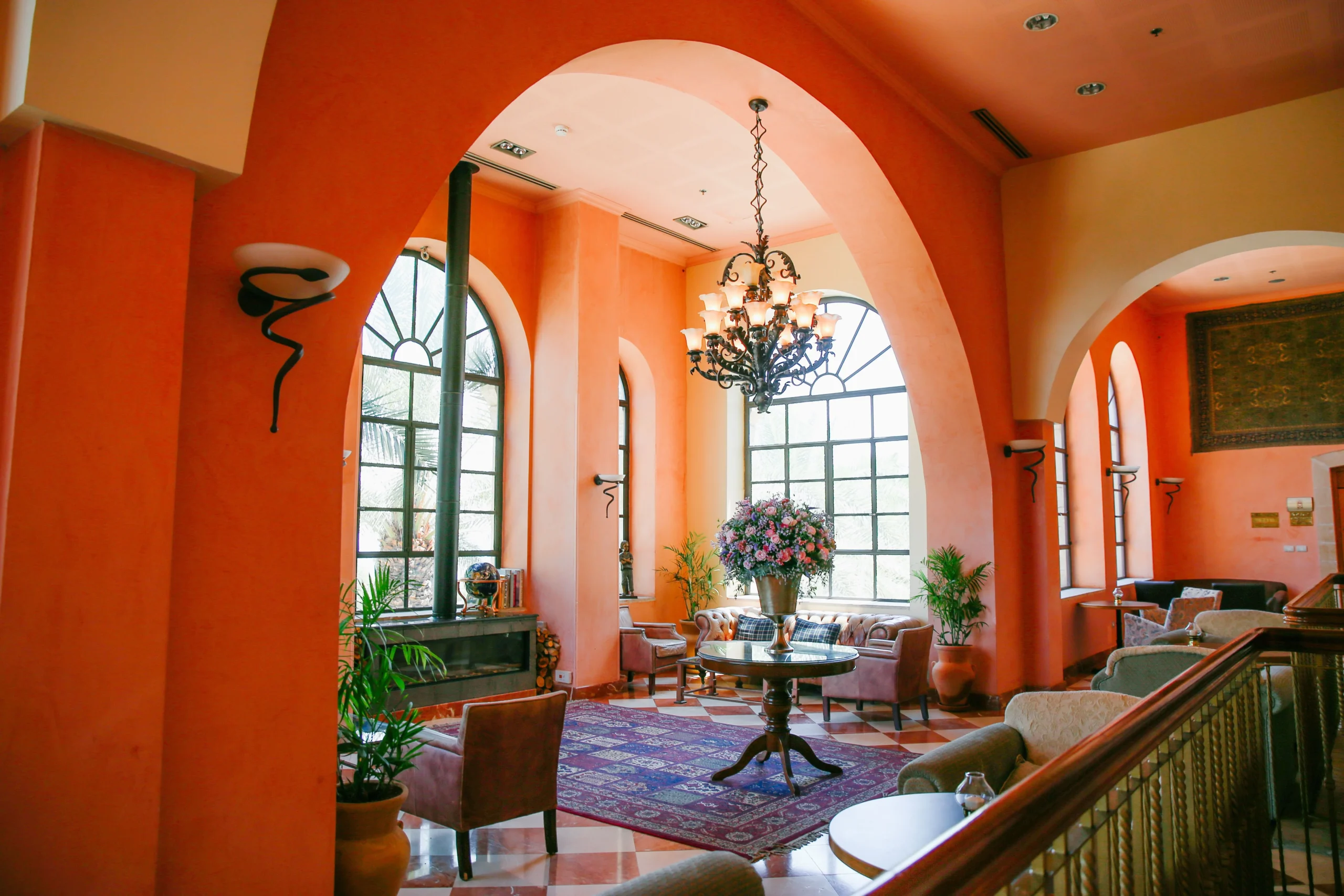
Mediterranean living rooms feel warm, architectural, and wonderfully relaxed. Instead of relying on lots of small decorations, the style often gets its personality from the room itself: rounded arches, textured plaster walls, terracotta tones, natural stone, dark or weathered wood, and patterned textiles.
A palette of clay, rust, cream, olive, and sun-washed neutrals immediately moves a room in this direction. Layer in an aged-looking rug, pottery, greenery, and substantial wood furniture rather than sleek, glossy pieces.
The trick is not to turn the room into a themed Mediterranean set. One or two architectural-looking elements combined with earthy materials can be much more convincing.
A large ceramic vase is an especially easy addition. Fill it with olive branches or loose greenery and place it on a console, substantial side table, or even on the floor if its scale allows.
Easy Mediterranean Accent
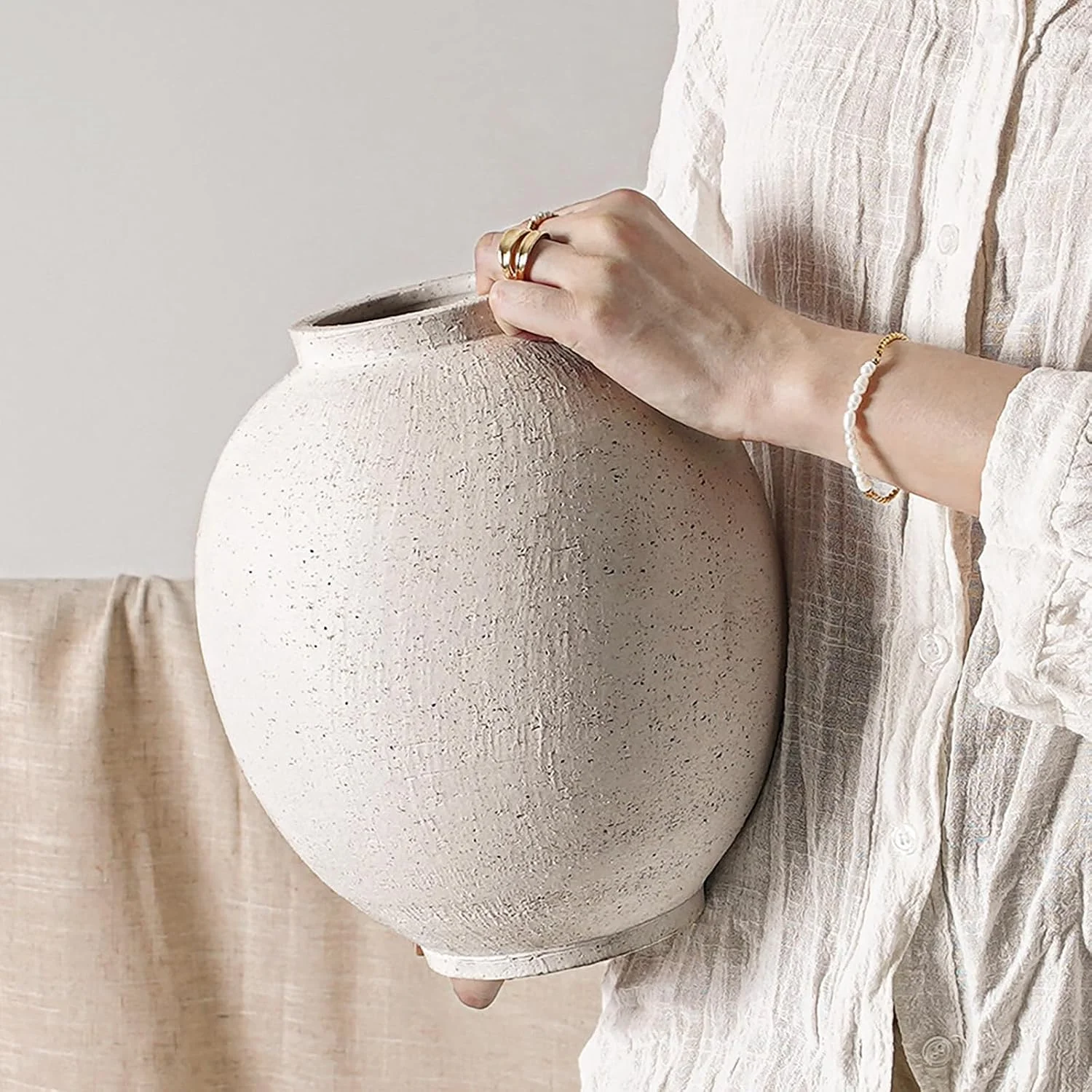
Large White Ceramic Vase
A simple way to introduce the pottery and organic shapes associated with Mediterranean interiors without changing your existing furniture.
Style note: The vase doesn’t need to match the exact pottery pictured above. Its rustic ceramic appearance can create a similar handcrafted, collected effect when paired with branches and warm natural materials.
Add Mediterranean Character2. Japandi Living Room
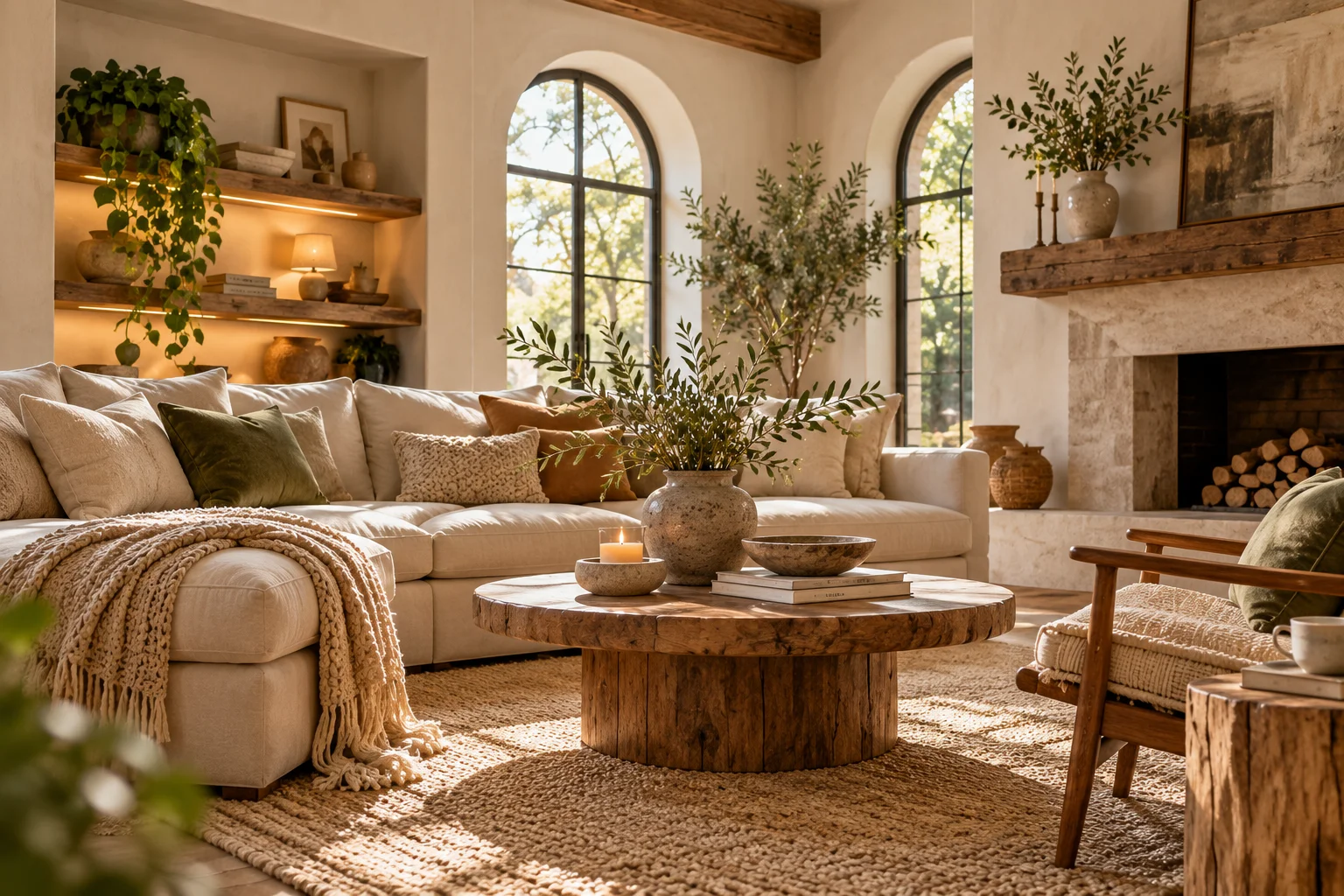
Japandi brings together the simplicity associated with Japanese interiors and the warmth of Scandinavian design. The result is minimal without feeling cold.
Start with low-profile furniture, warm pale woods, restrained colors, natural fibers, and plenty of breathing room. Instead of filling every surface, choose fewer objects with stronger shapes.
Cream, oatmeal, beige, warm gray, muted brown, and soft black work particularly well. Texture becomes important when the palette is this quiet, so combine smooth wood with linen, woven fibers, handmade ceramics, and subtle upholstery.
Storage should also feel intentional. Rather than letting blankets, magazines, and everyday objects become visual clutter, contain them in simple natural materials.
Natural Japandi Storage
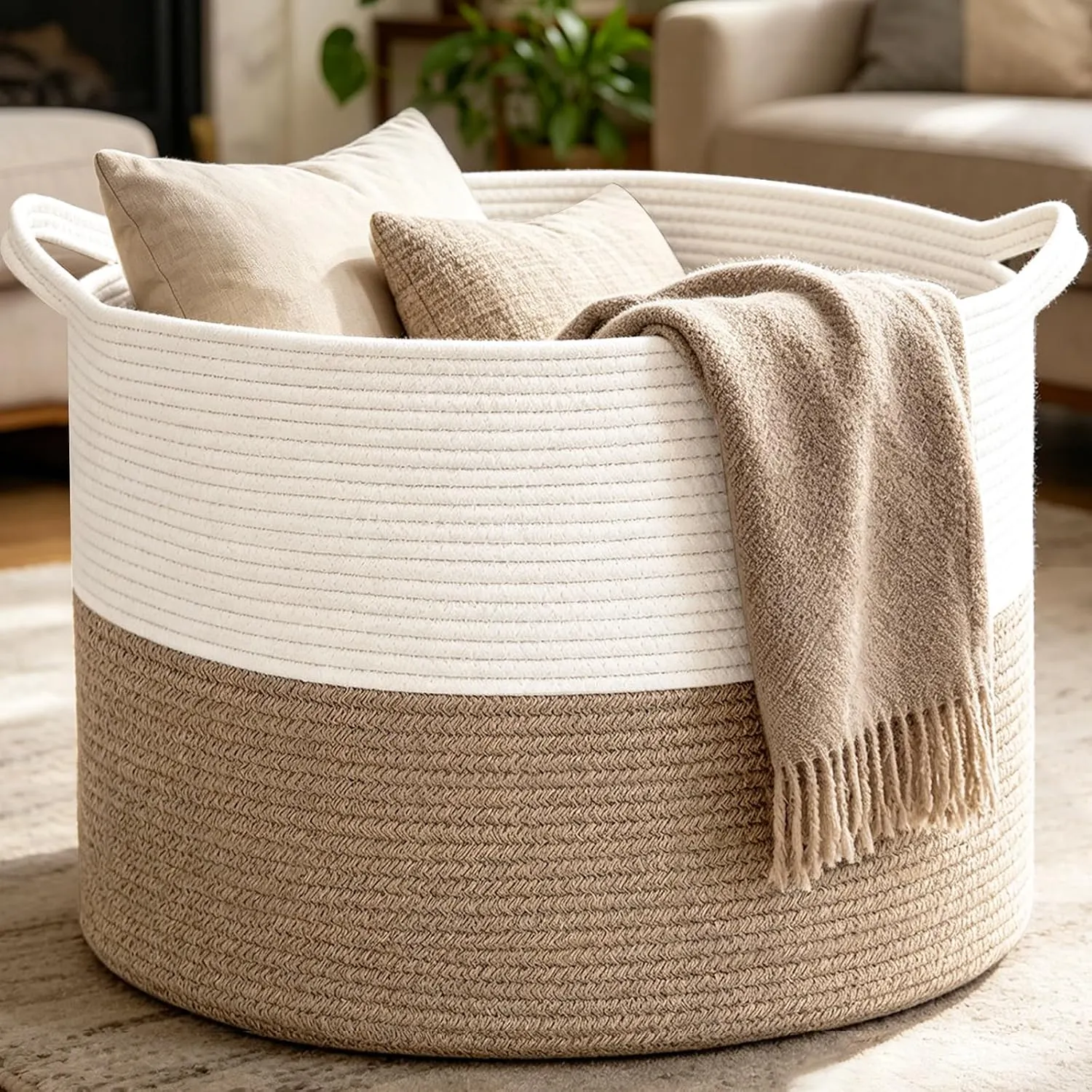
Large Woven Blanket Basket 65L
The woven cotton-rope construction introduces useful texture while keeping throws and everyday living-room clutter visually contained.
Style note: A woven basket may not appear in every Japandi inspiration room, but it follows the same principle: practical storage made from a natural-looking material that keeps the space calm rather than adding visual noise.
See This Natural Storage Pick3. Mid-Century Modern Living Room
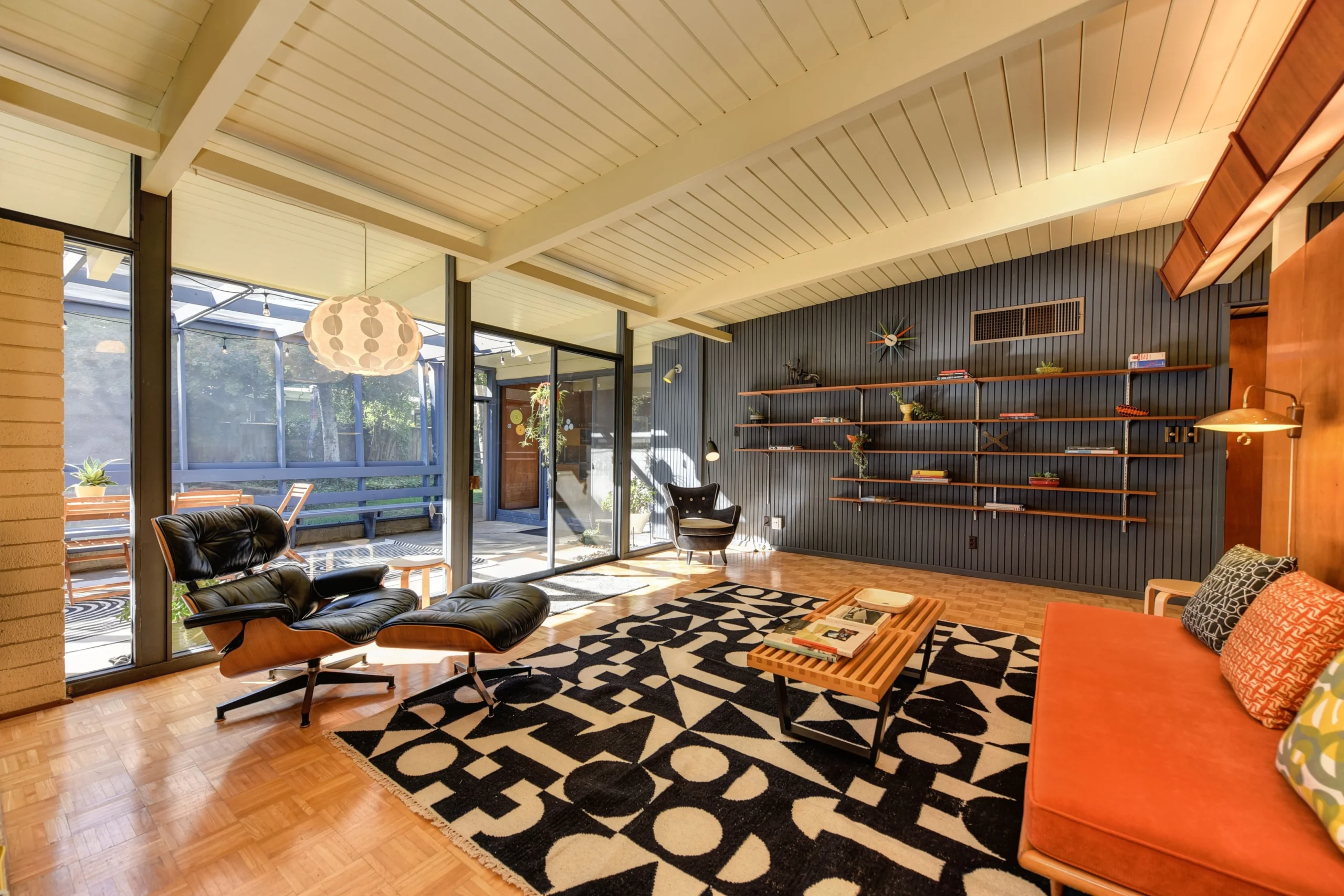
Mid-century modern is one of the easiest styles to recognize because its furniture has such a strong silhouette.
Look for low sofas, tapered legs, walnut or teak finishes, sculptural lounge chairs, long coffee tables, geometric patterns, and lighting with clean lines. Warm orange, mustard, olive, rust, and muted blue can sit comfortably alongside wood and neutral upholstery.
You do not need a room full of vintage originals. Mixing a few recognizable mid-century shapes into an otherwise contemporary living room can make the result easier to live with.
One of the simplest places to introduce the style is the wall. Starburst and sunburst motifs became closely associated with the optimistic, space-age side of mid-century design.
Instant Mid-Century Character
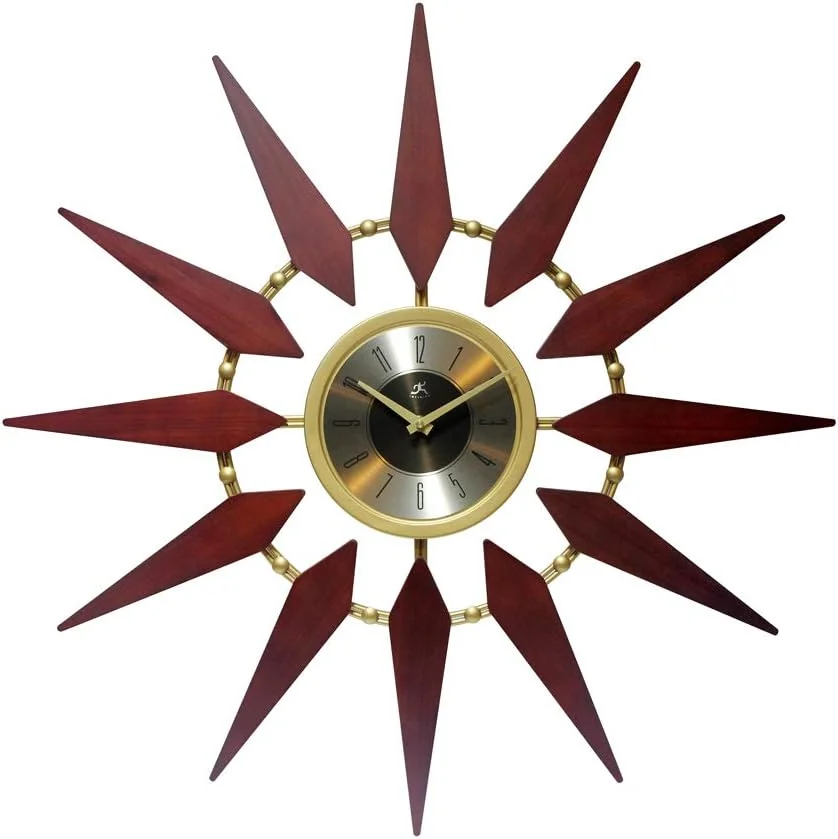
Orion Starburst Wall Clock
Its oversized starburst silhouette can function almost like wall art while immediately giving a plain wall a stronger retro identity.
Style note: Your room doesn’t need to feature a clock like the inspiration image. The starburst shape introduces the same geometric, retro character and works particularly well above a console or sofa.
Get the Mid-Century Look4. English Cottage Living Room
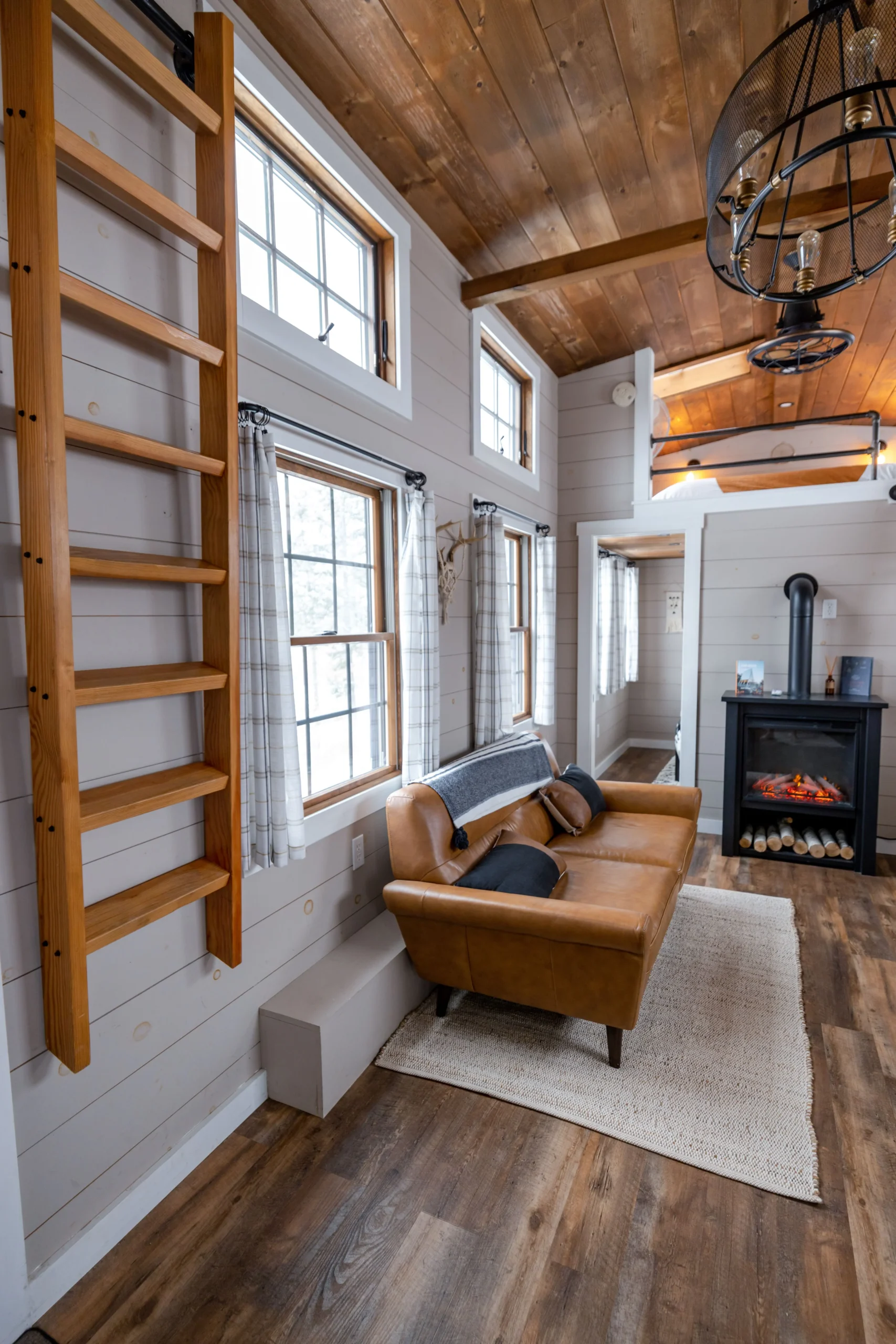
An English cottage living room should feel as though it developed gradually rather than being decorated in one weekend.
Comfort is central: deep seating, soft textiles, warm lamps, old wood, small-scale patterns, books, artwork, baskets, florals, and objects that look collected rather than coordinated.
Unlike minimalist interiors, a little imperfection helps. Woods do not need to match. Patterns can overlap. A vintage-looking side table can sit beside a newer sofa, and a stack of books can become part of the decoration.
Soft throws are particularly useful because they add both texture and that slightly informal, lived-in appearance.
Cozy Cottage Layer
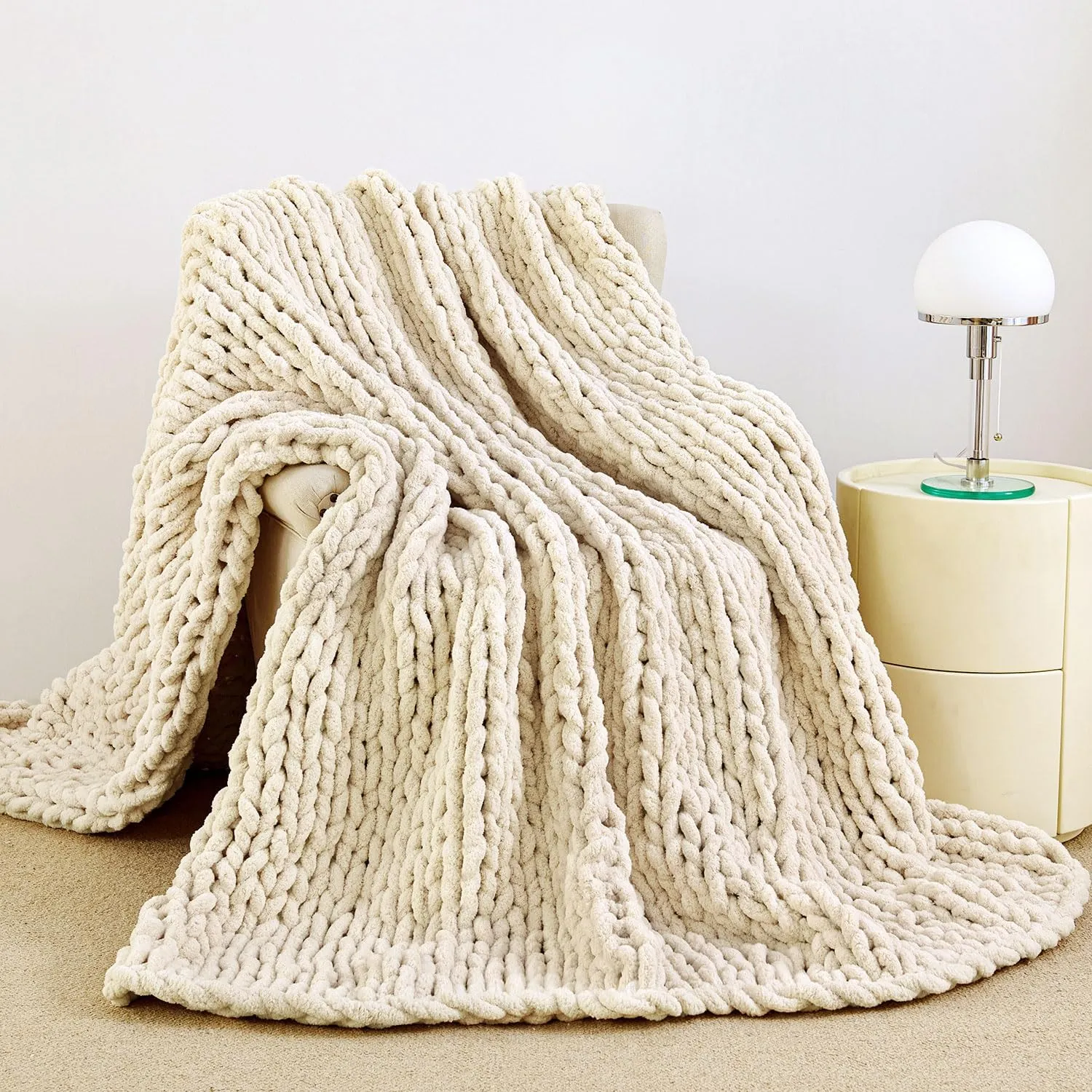
Chunky Knit Blanket Throw
Drape it loosely over the arm or back of a chair instead of folding it too precisely. The goal is comfortable and welcoming, not staged.
Style note: Chunky knit isn’t required for traditional English cottage decorating, but a substantial textured throw can provide the same soft, layered feeling created by wool blankets and other cozy textiles.
Add a Cozy Layer5. Vintage Living Room
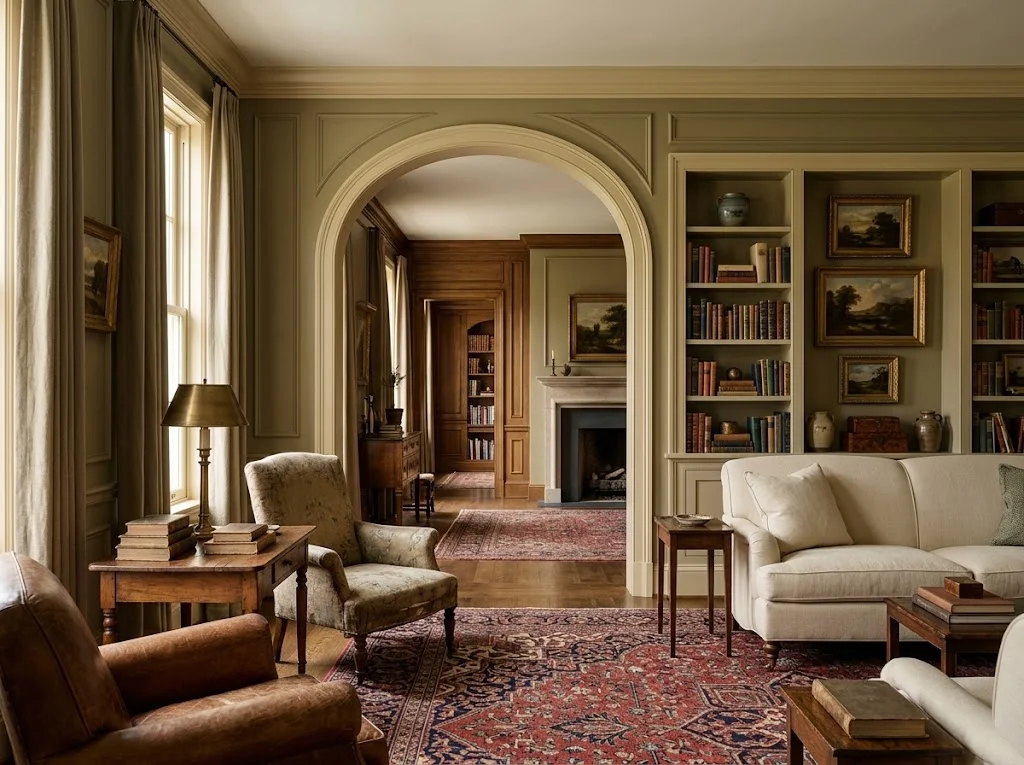
Vintage style is less about choosing one historical period and more about creating the impression that your room contains pieces with a past.
A vintage living room might combine an aged wood table, patterned rug, traditional lamp, old artwork, brass accents, and upholstered furniture with more contemporary basics.
The easiest way to keep it from becoming cluttered is to choose a few visually strong vintage-inspired pieces rather than filling every surface with small antiques.
Rugs are especially effective because they influence such a large part of the room. A faded traditional pattern can make even a simple sofa and coffee table feel more established.
Vintage Look Without the Antique Hunt
Soalmost Washable Vintage Area Rug
A vintage-style rug can anchor newer furniture while bringing pattern, softness, and an aged-looking layer into the room.
Style note: It doesn’t need to duplicate the rug in the inspiration room. A distressed traditional pattern can provide the same collected-over-time effect while letting you choose colors that work with your existing furniture.
See the Vintage-Style Rug6. Coastal Living Room
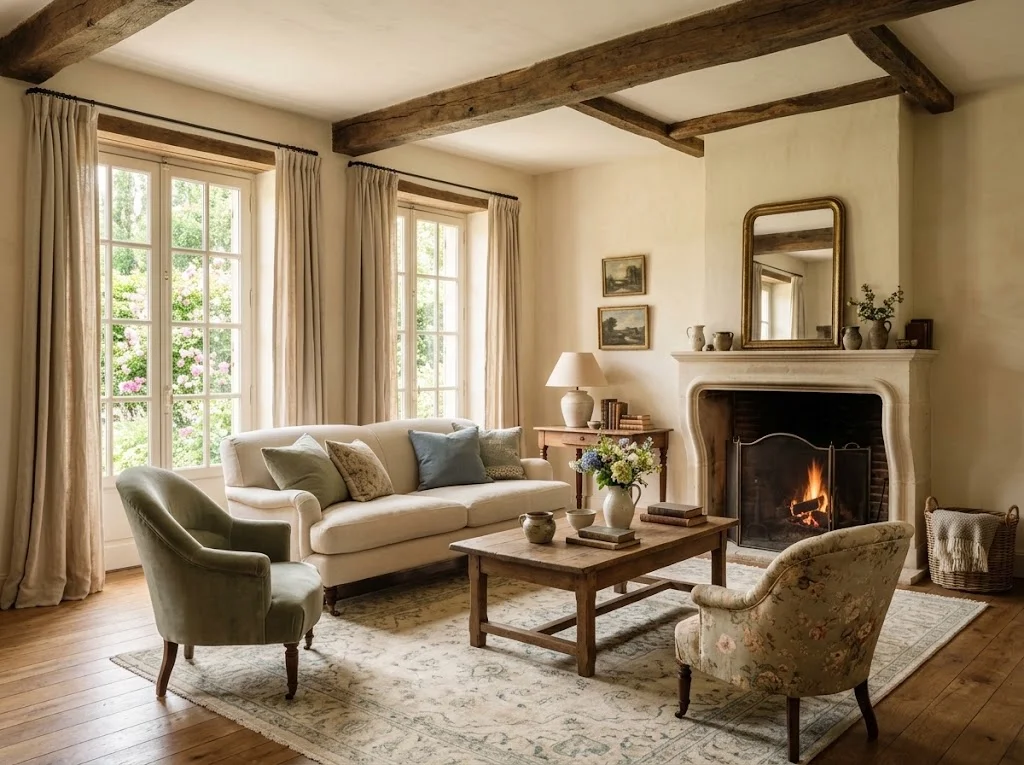
Coastal decorating works best when it captures the light, materials, and relaxed feeling of the coast rather than filling the room with obvious nautical decorations.
Start with warm white, sand, oatmeal, pale oak, muted blue, and perhaps a touch of soft sage. Add linen curtains, natural-fiber rugs, woven chairs, light wood, ceramics, and plenty of daylight.
Avoid feeling obligated to add anchors, shells, boat signs, or blue-and-white stripes everywhere. A sophisticated coastal room can communicate the idea without a single nautical motif.
Lightweight textiles are useful here because they reinforce the breezy atmosphere.
Soft Coastal Layer
EMME Muslin Blanket
Its relaxed textile appearance makes it easy to layer over neutral seating without weighing down an airy coastal palette.
Style note: The blanket doesn’t have to be identical to the throw shown in the inspiration room. A lightweight, softly textured layer can create the same casual effect while working with cream, sand, pale blue, and natural-wood surroundings.
Bring Home the Coastal Texture7. Eclectic Living Room
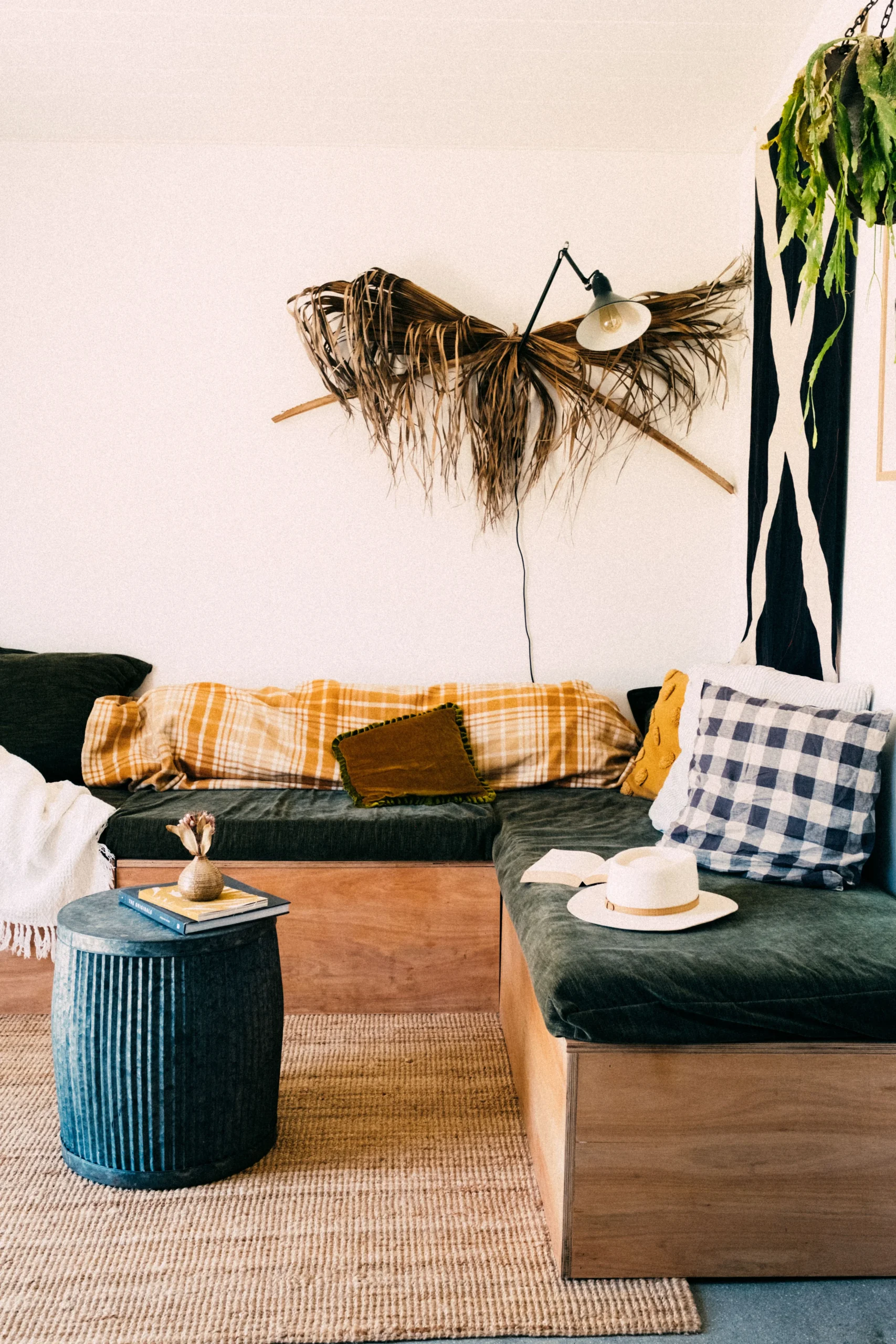
Eclectic interiors give you much more freedom—but that does not mean putting random things together.
Successful eclectic rooms usually have an underlying connection between their seemingly unrelated pieces. It might be a recurring color, similar wood tones, repeated curves, or a palette that ties different patterns together.
Mix artwork, textiles, furniture from different eras, unusual objects, plants, and patterns, but give the eye a few quiet areas too. Without those pauses, eclectic can quickly become visual clutter.
Pillows are one of the safest places to experiment because they let you introduce pattern without committing to a patterned sofa or expensive rug.
An Easy Dose of Pattern
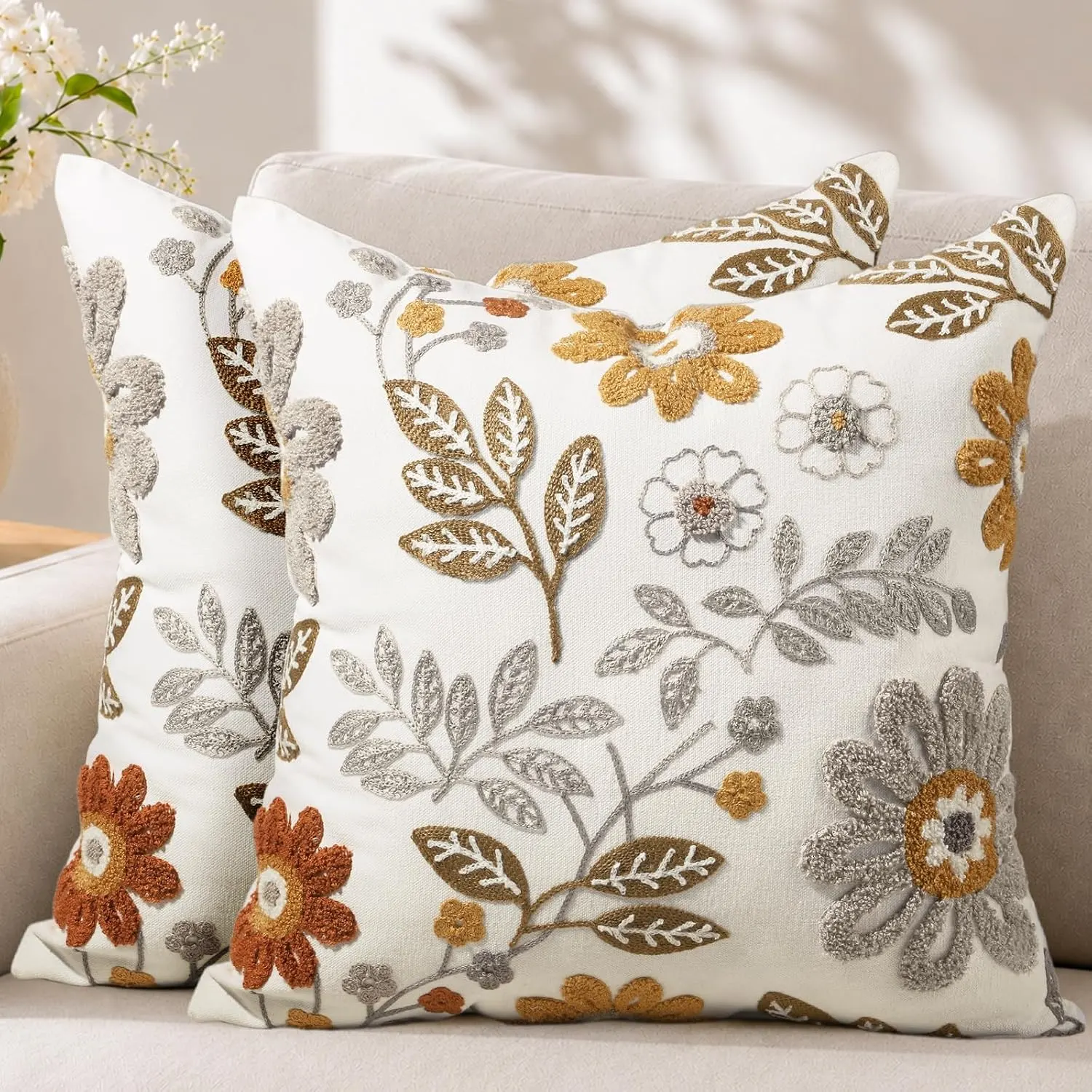
Amber Blooms Embroidered Throw Pillow Covers
The embroidered floral design introduces both color and texture, making the covers useful for building a more layered sofa arrangement.
Style note: These covers don’t need to match the exact pillows in the inspiration room. In an eclectic space, that difference can actually help—the warm floral embroidery adds another collected layer while still being easy to connect to nearby colors.
Add Color & Pattern8. Art Deco Living Room
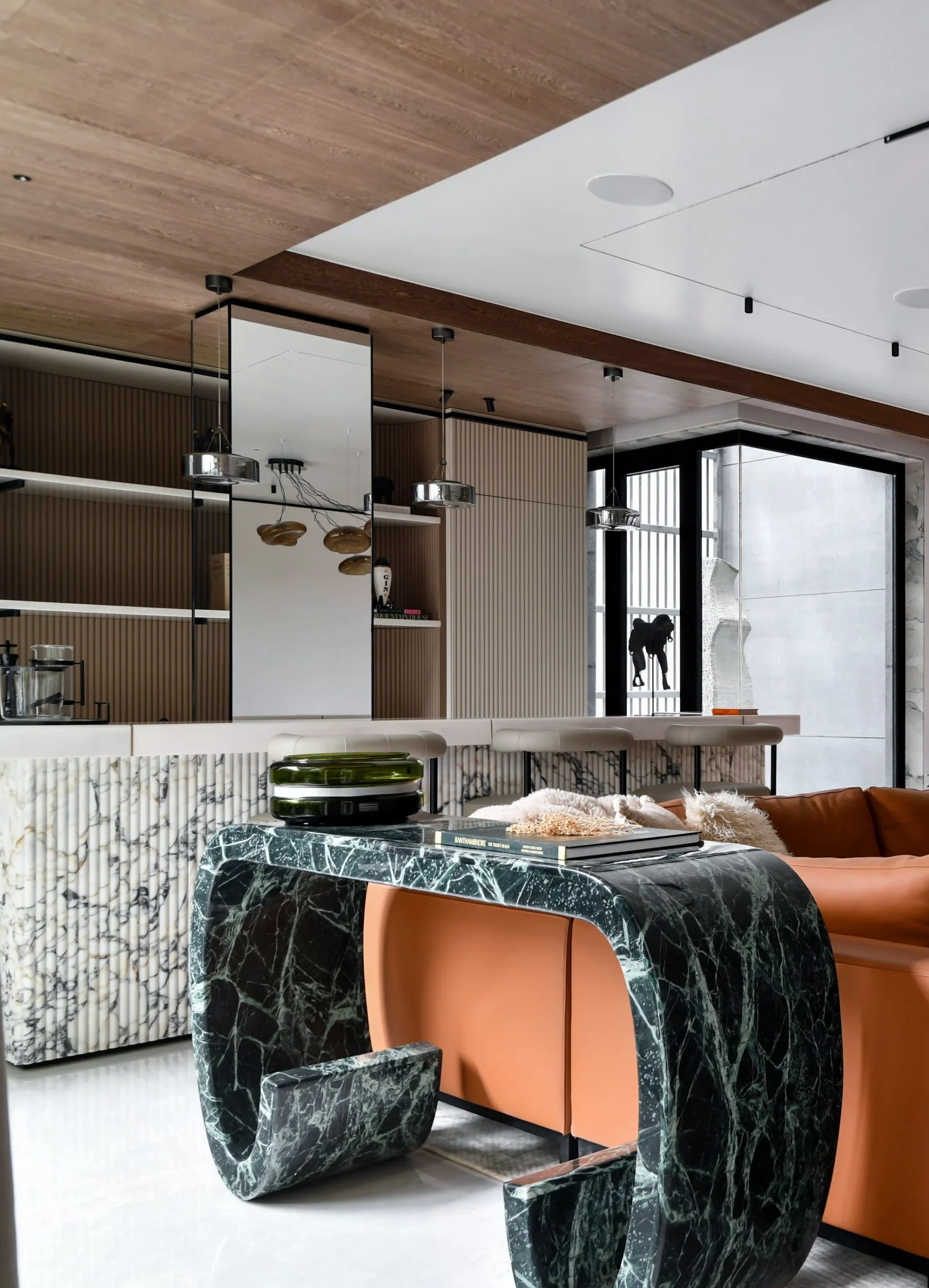
Art Deco is where you can let the living room become a little more glamorous.
The style favors strong geometry, polished finishes, brass or gold tones, rich colors, glass, dramatic lighting, curved furniture, and symmetrical details. Black, cream, emerald, navy, burgundy, and warm metallics all work beautifully.
You don’t need mirrored furniture and gold on every surface. A restrained contemporary room can gain an Art Deco identity from just a few distinctive pieces.
Lighting is particularly effective because Deco-inspired lamps often combine sculptural geometry with glass and warm metal.
Art Deco Statement Lighting
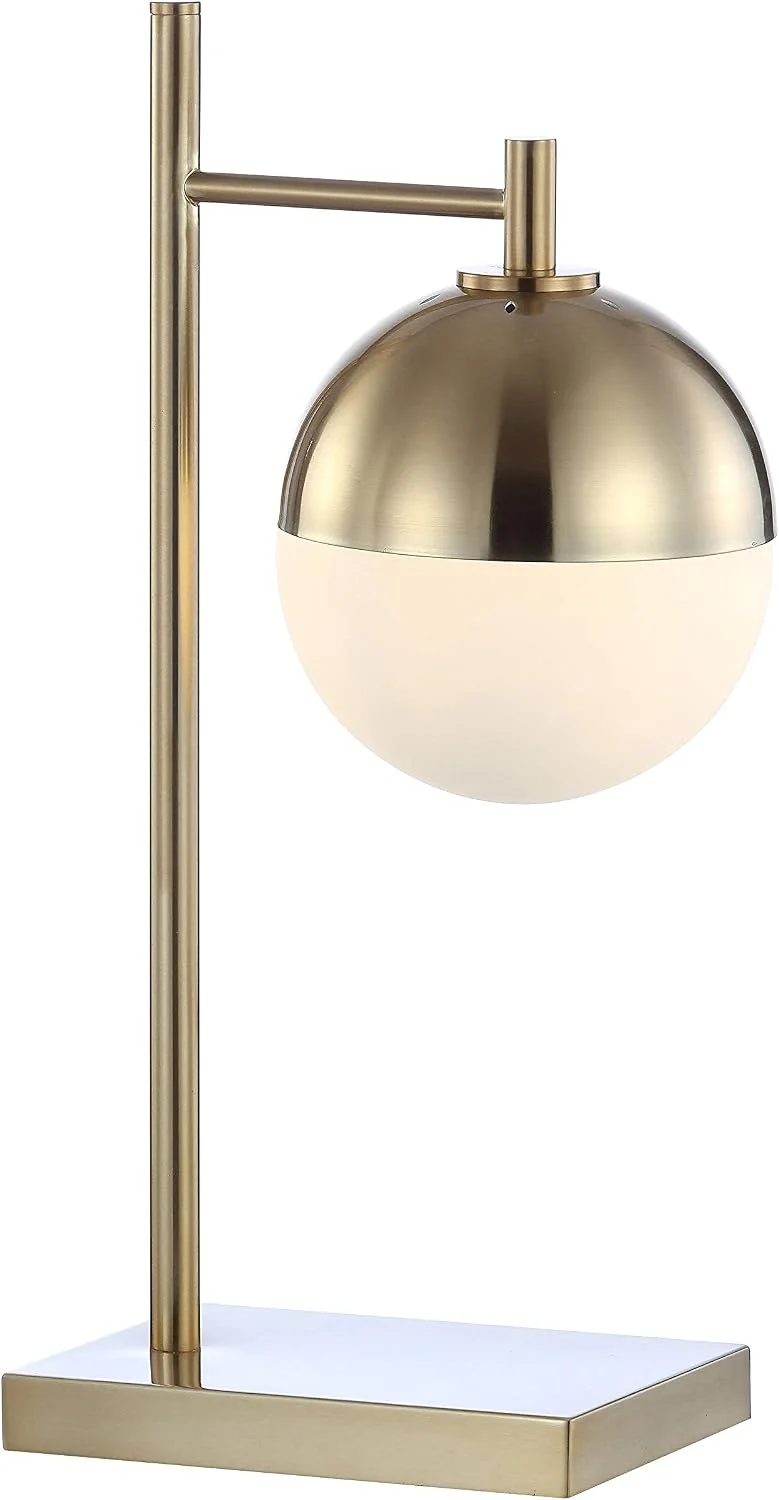
JONATHAN Y Hazel Art Deco Globe Table Lamp
The brass-toned frame and spherical globe create a decorative silhouette that can make a console or side table feel much more intentional.
Style note: The lamp doesn’t have to duplicate the lighting pictured in the room. Its globe shape and brass-gold finish introduce the same combination of geometry and glamour, making it an easy way to echo the Art Deco aesthetic in a more contemporary space.
Shop the Art Deco Accent9. French Country Living Room
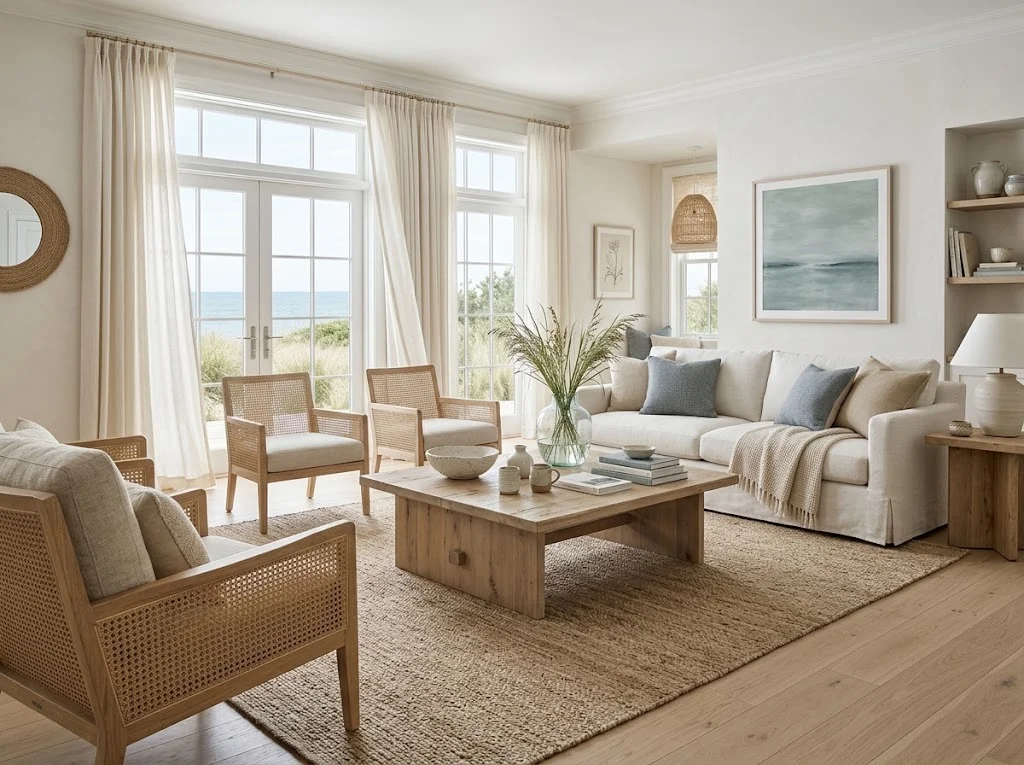
French Country interiors combine rustic materials with softer, more decorative details.
Picture aged timber, creamy plaster, linen upholstery, traditional furniture, faded patterns, ceramic pieces, antique-looking wood, flowers, and gently worn finishes. The overall result should feel elegant enough to be beautiful but relaxed enough to actually live in.
Cream, antique white, weathered oak, faded sage, dusty blue, and muted floral colors make an especially useful palette.
Lighting can help distinguish French Country from a more generic farmhouse room. Instead of an industrial black lamp, look for ceramic, traditional, or softly patterned bases paired with classic shades.
French Country Detail
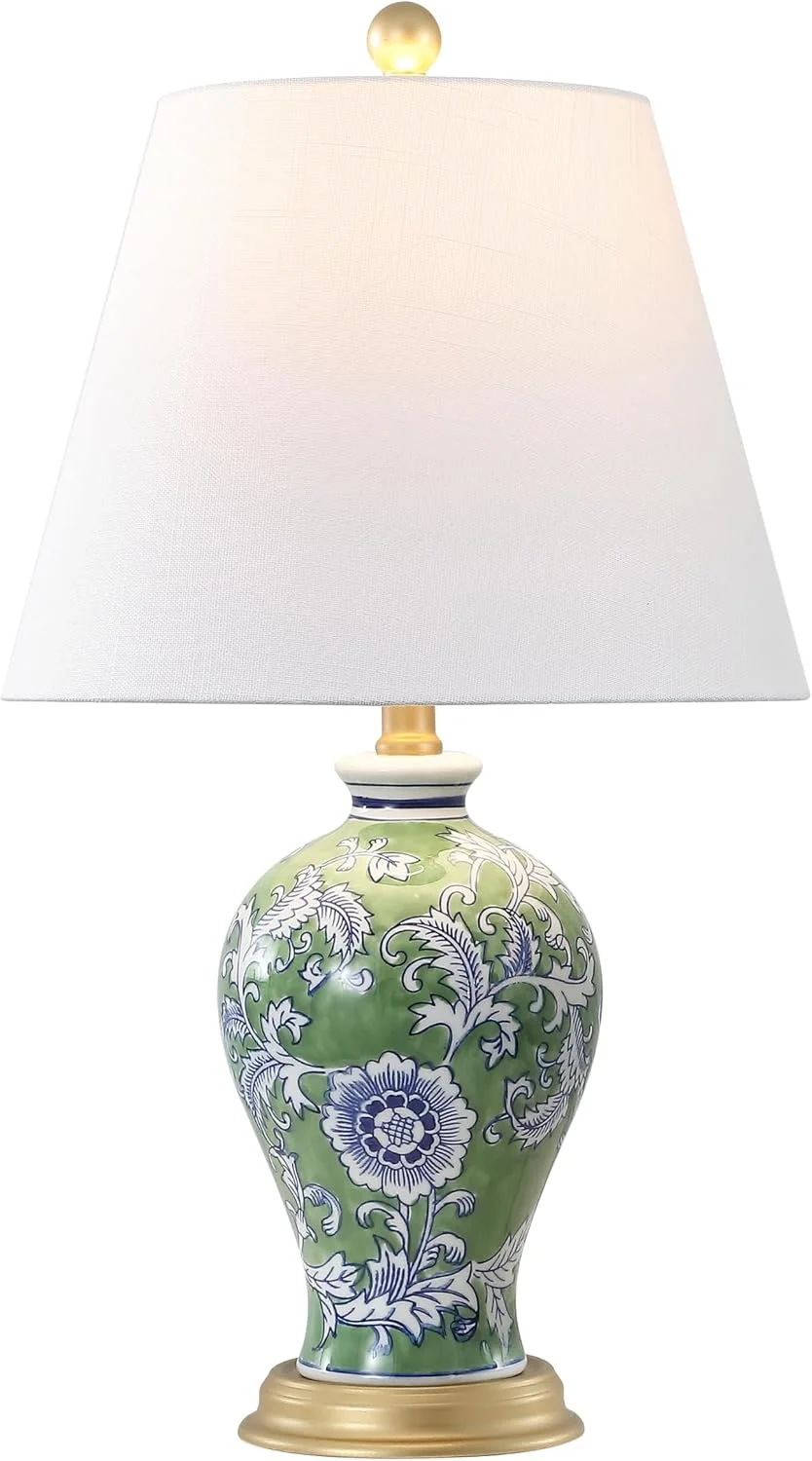
JONATHAN Y Grace 24-Inch French Country Floral Urn Ceramic Lamp
Its floral ceramic urn base and traditional shade bring a decorative, old-world element to a side table, console, or reading corner.
Style note: It doesn’t need to match the exact lamp in the inspiration room. The traditional urn shape, green-and-white floral decoration, and classic shade can introduce the same collected French-country character alongside aged wood, linen, and vintage-style furnishings.
Add French Country Charm10. Earthy Natural Living Room
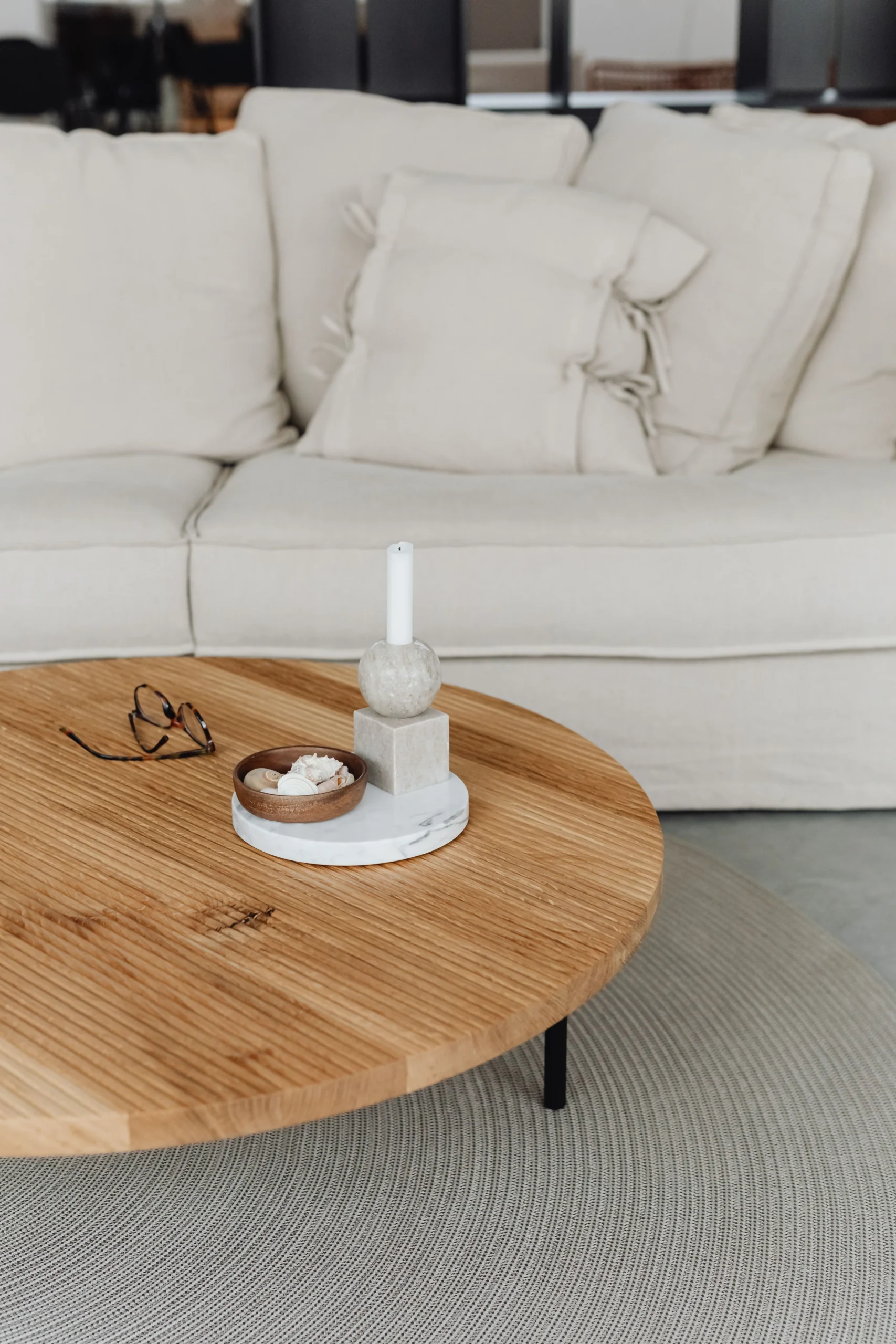
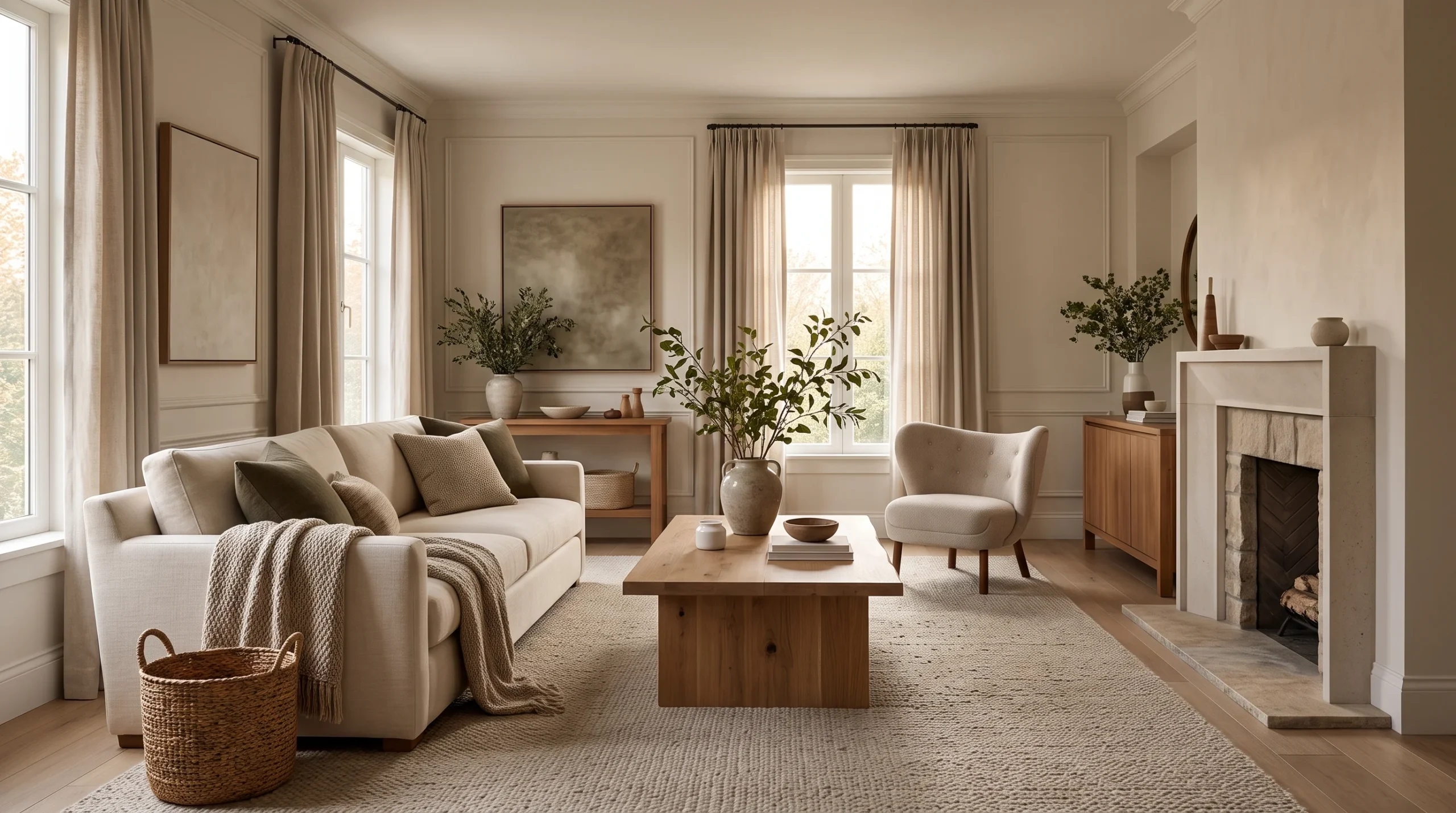
An earthy natural living room takes its cues from materials and colors you might encounter outdoors rather than from one specific historical decorating style.
Think warm beige, clay, taupe, muted olive, brown, cream, raw or lightly finished wood, stone, woven fibers, linen, wool, and greenery.
The biggest mistake is using beige everywhere without enough texture. A natural palette becomes much more interesting when rough, smooth, woven, soft, matte, and organic surfaces sit beside one another.
This is also an easy style to introduce gradually. Neutral pillow covers, wood accessories, baskets, textured throws, pottery, and plants can shift the room without replacing major furniture.
Affordable Natural Texture
MIULEE Neutral Chenille Pillow Covers
Chenille adds visible softness and texture while keeping the color palette understated enough for an earthy room.
Style note: These covers don’t have to match the cushions pictured in the inspiration room. Their neutral color and tactile finish can provide the same layered softness while allowing wood, greenery, stone, and other natural materials to remain the focus.
Add Affordable TextureHow to Choose the Right Living Room Style
You don’t have to choose the style that looks most impressive in a photograph. Choose the one whose materials, colors, and level of decoration suit the way you actually live.
If you like uncluttered spaces but still want warmth, Japandi or earthy natural may suit you. If you enjoy history and collected objects, try vintage, English cottage, or French Country. Mid-century modern and Art Deco work particularly well when you want recognizable statement pieces, while Mediterranean and coastal interiors can bring a stronger sense of place into the home.
If comfort is your main priority, you may also want to explore our 10 Cozy Living Room Styles & Ideas to Make Your Home Feel More Inviting. That guide focuses specifically on warm, comfortable approaches including Scandinavian, organic modern, boho, farmhouse, rustic, and warm-neutral interiors.
Prefer something more refined? Our 10 Elegant & Expensive-Looking Living Room Styles explores quiet luxury, Parisian-inspired, old-money, modern-glam, hotel-inspired, and other polished aesthetics.
And you don’t necessarily need to replace your furniture to make any of these styles feel more elevated. Small changes to lighting, scale, textiles, artwork, and finishes can make a surprisingly large difference. Our guide to How to Make Your Home Look Expensive: 8 Easy Ideas on a Budget covers practical ways to create that more polished effect without relying on an expensive decorating budget.
If committing to one aesthetic feels restrictive, eclectic decorating gives you permission to borrow from several—as long as you create enough repetition in color, material, shape, or pattern to make the combination feel intentional.
Final Thoughts
The most interesting home decor styles are not necessarily the ones followed most strictly. They are the ones that give you a vocabulary—certain shapes, materials, colors, and objects—that you can adapt to your own home.
Start with one or two changes rather than replacing everything. A starburst clock can hint at mid-century modern design. An embroidered pillow can make a neutral sofa more eclectic. A ceramic lamp can bring French-country character to an ordinary side table. Even a simple woven basket can push a quiet room toward Japandi.
Use these types of home decor styles as starting points, then keep the elements that make your living room feel personal.
Related Living Room Ideas
Amazon product prices and availability may change at any time.